CASE STUDY
Designing a single vehicle page as a shared system
A reusable vehicle-page system built to scale across model years without losing consistency, speed, or polish.
In plain terms: I rebuilt a mess of one-off pages into a system, so updates that took days now take hours. The same thinking applies to any business website that has drifted.
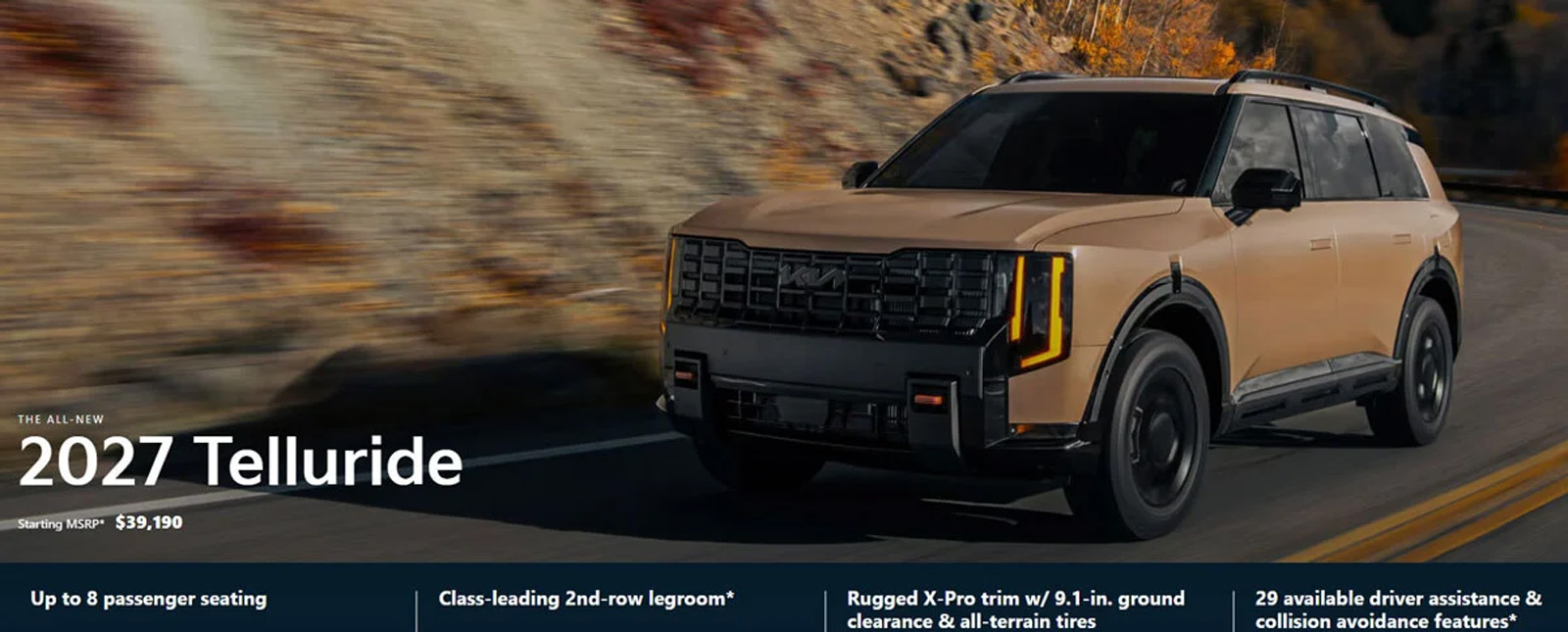
01 — Problem
Year-to-year drift created inconsistency and wasted time.
I inherited vehicle detail and SEO landing pages that drifted year to year. Each update introduced layout changes, duplicated work, and inconsistent interaction patterns. The pages were functioning as isolated builds instead of a unified system.
- Inconsistent layout rhythm across model years
- Repeated rebuilds for small changes (trims, features, media)
- Interaction patterns varied across pages (tabs, anchors, hierarchy)
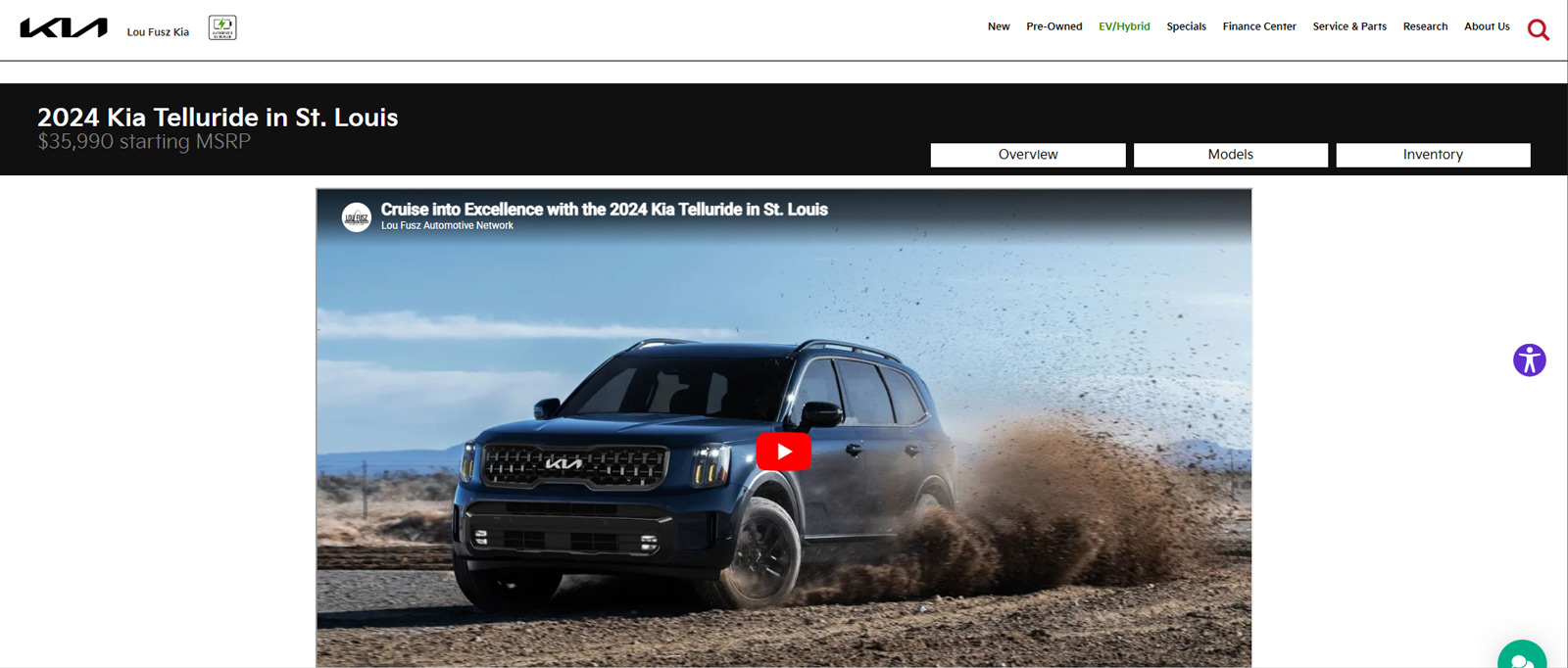
02 — Constraints
OEM-inspired polish without sacrificing production speed.
The experience needed to feel modern and OEM-inspired, but the system had to stay stable. This wasn’t a redesign project — it was a structural discipline project.
- Single-page structure for SEO + user flow
- Must scale across 2024 → 2027+ without layout rewrites
- Compatible with dealership widgets (chat, accessibility, inventory tools)
- Fast to update as model-year content changes
03 — Approach
Lock the skeleton. Let modules evolve.
I established a universal template with a locked structural skeleton and reusable modules. The structure stays identical year to year. Updates happen at the component level — not the layout level.
Step 1
Define a universal page sequence
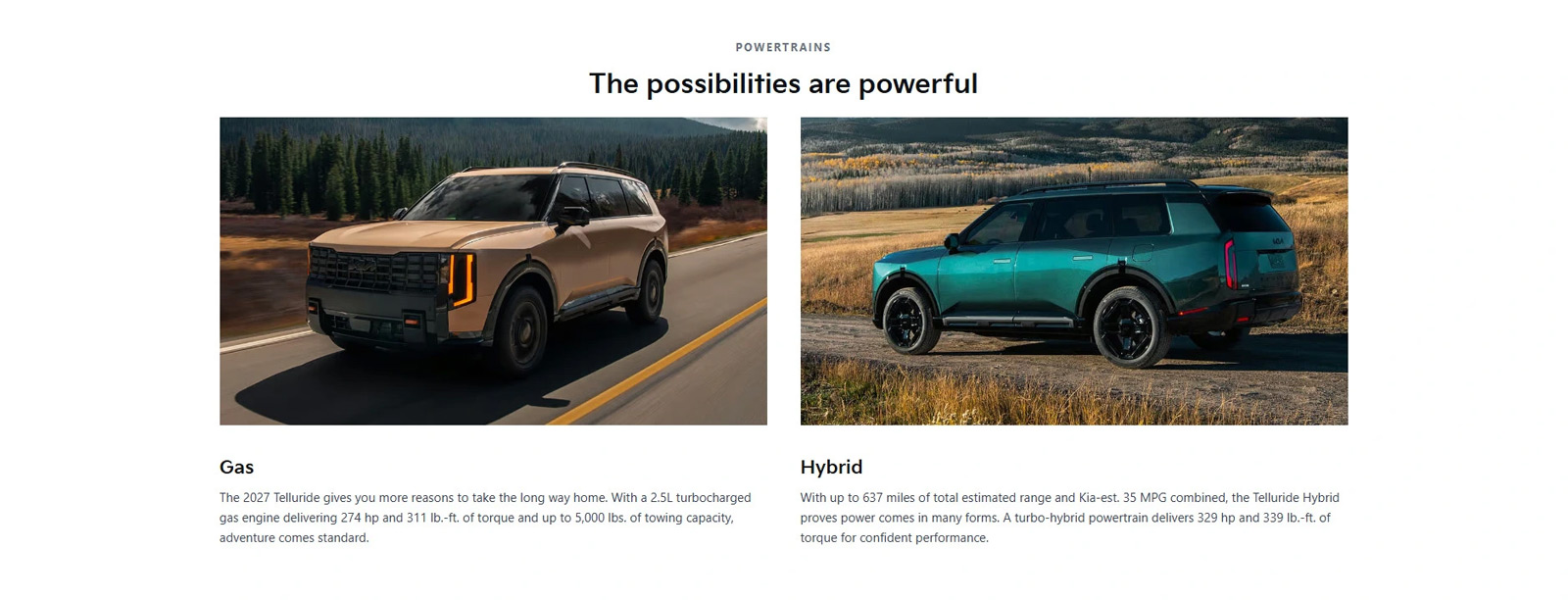
Hero → Intro → Color Options → Explore Tabs → Trims → Powertrains → Inventory CTA.
Step 2
Build reusable modules
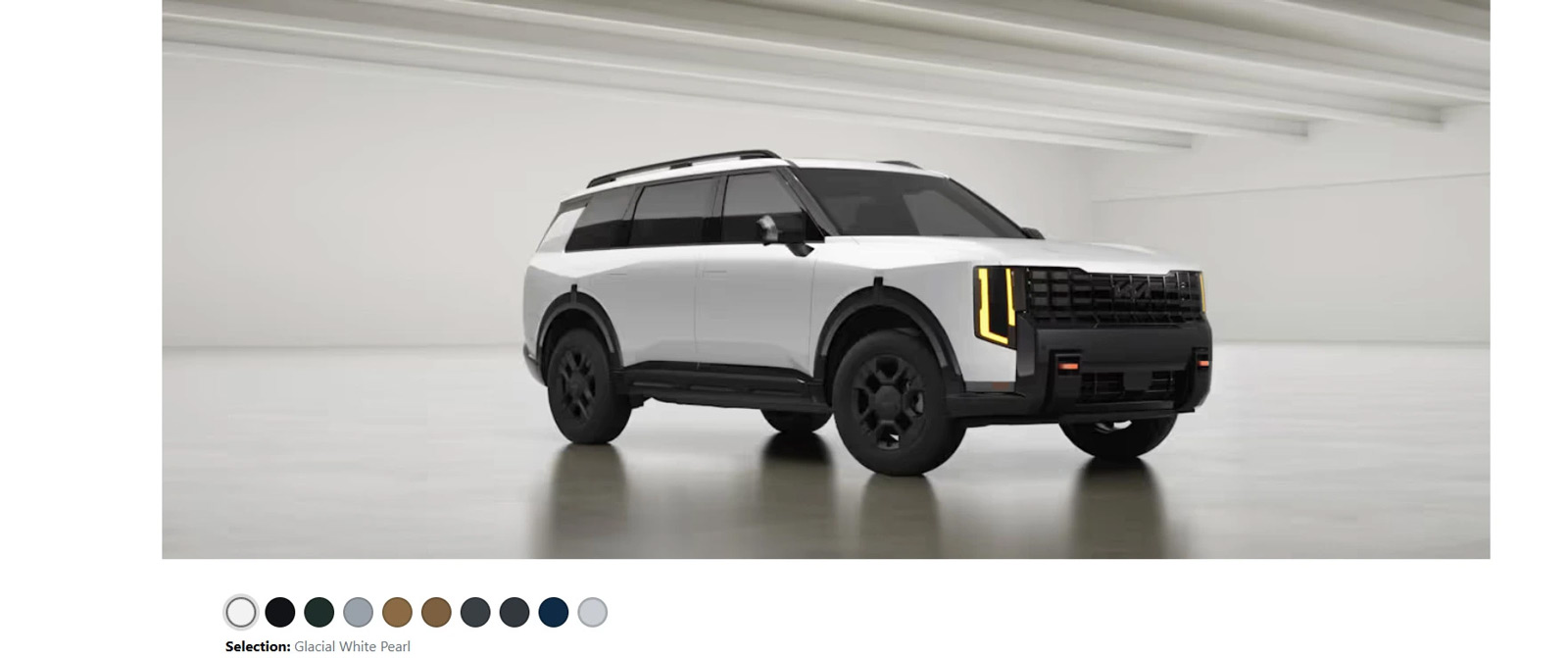
Color selector, Explore tabs, trim cards, and predictable section hierarchy.
Step 3
Layer OEM-inspired refinement
Stat bars, tighter rhythm, clearer trim hierarchy — without changing the skeleton.
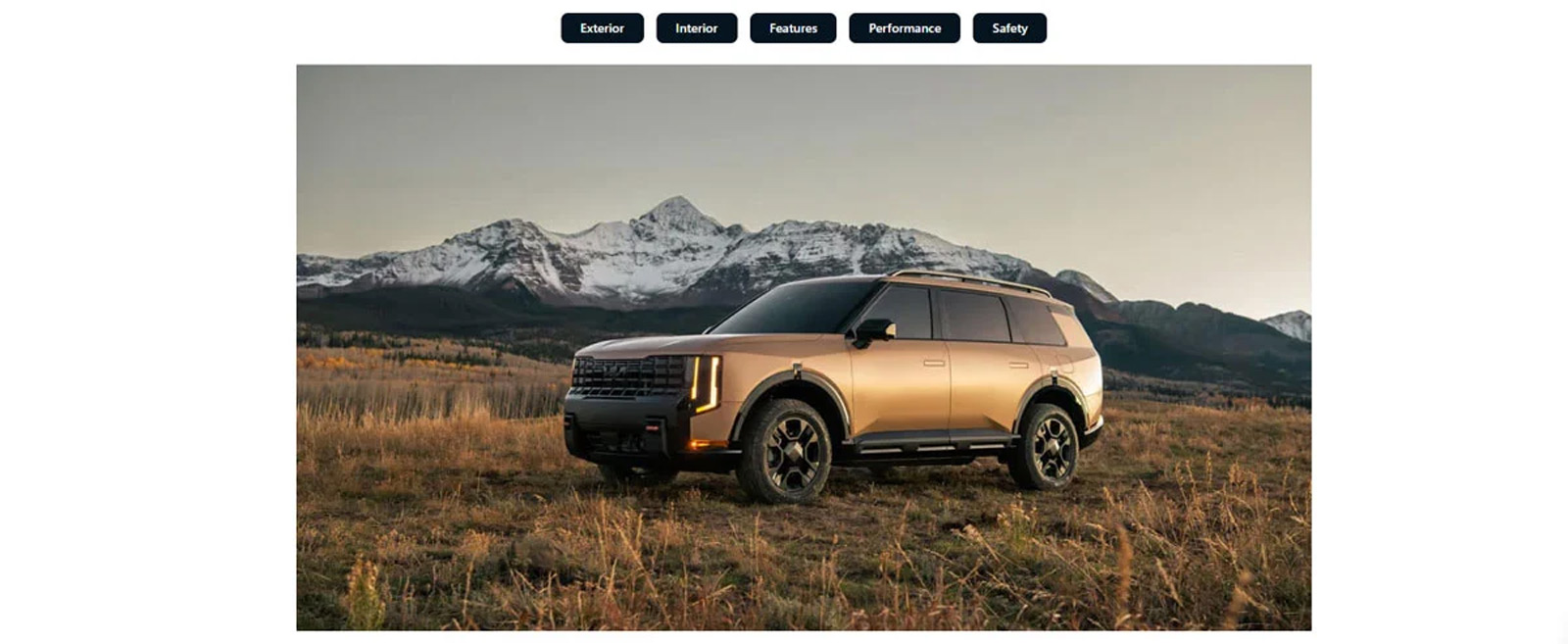
04 — System
A reusable template that stays stable while the content changes.
The key was predictability: consistent hierarchy, consistent modules, consistent interaction rules. Users can jump directly to trims, safety, performance, or design. Teams can update content without rewriting layout.
- Universal structure: fixed section order and naming so every vehicle page feels familiar.
- Reusable modules: color selector + explore tabs + trim system that holds across breakpoints.
- Interaction rules: anchors and predictable hierarchy for fast scanning and navigation.
- OEM-inspired refinement: visual polish layered on top without changing core structure.
05 — Outcome
Consistency, speed, and a template that survives change.
01
Reduced rebuild work
Small model-year changes no longer required structural rebuilds.
02
Consistent experience
Users moved through a more predictable hierarchy across pages and years.
03
OEM-inspired polish
The template gained cleaner, more OEM-aligned presentation without breaking the system.
Have a site that's drifted like this?
Most businesses do. The fix is structure, not a reskin.